Black Well, White Gold
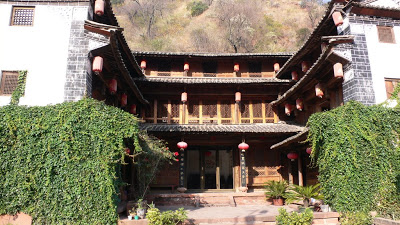
Heijing is a small town in the northern Chuxiong mountains. Salt once made Heijing one of Yunnan's richest towns. Now its architectural splendours are being rediscovered.
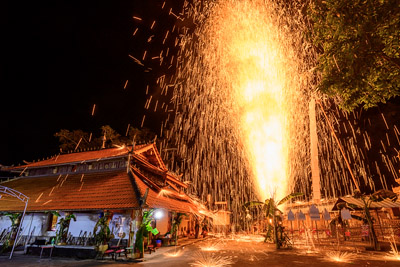
Hand-made giant sparklers, called "Fire Flowers" 火花, are part of the firework displays for temple fairs in Menglian county.
Jim Goodman: Xishuangbanna: The Tropics of Yunnan
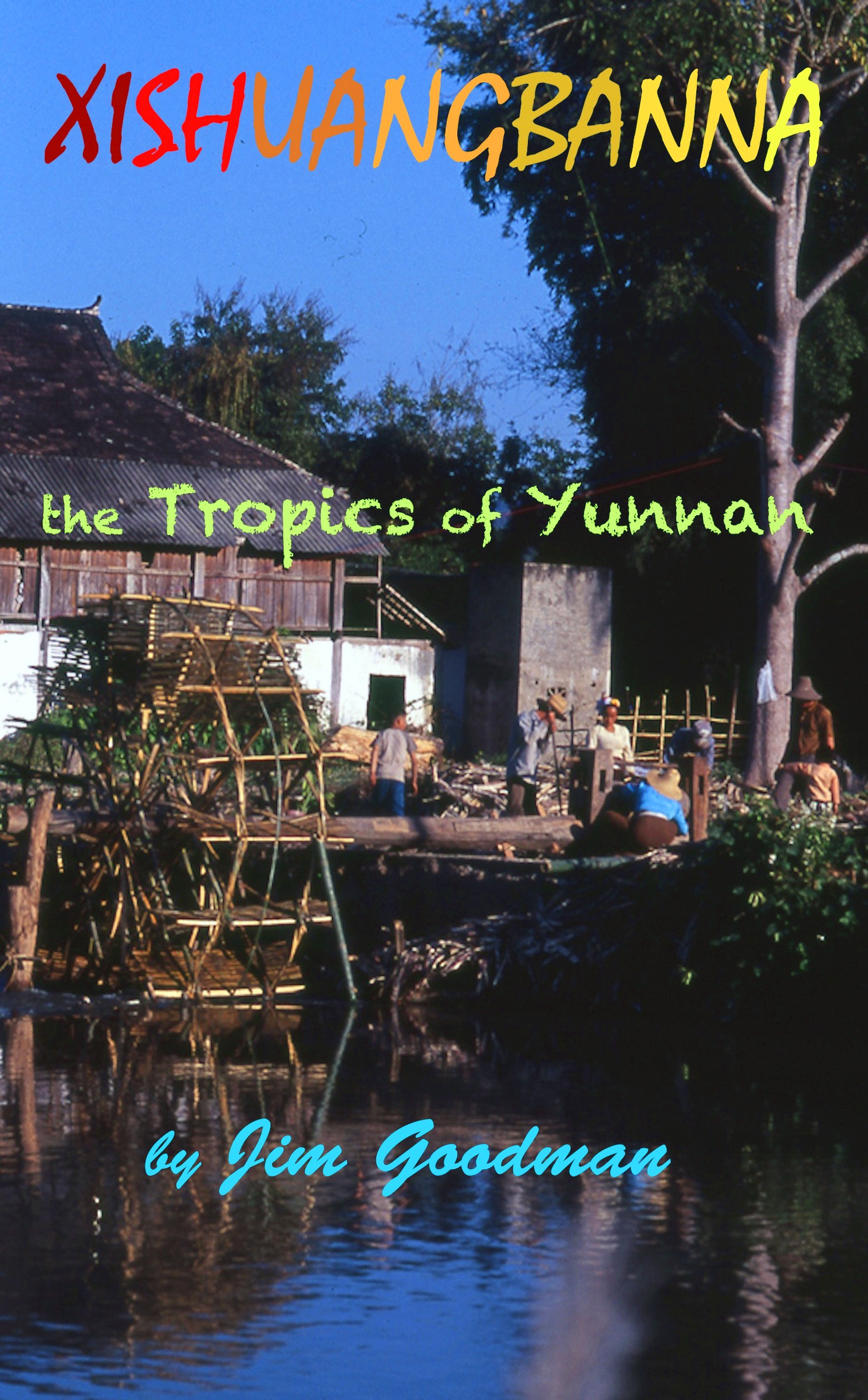
For most of its history Xishuangbanna existed as an autonomous state on the remote southern periphery of China, run by the same Dai family since the 12th century. Lying in the tropical zone, on the northern rim of Southeast Asia, with flora and fauna not only unlike the rest of China, but even unique in Yunnan province, it has had close ethnic and cultural relations with its neighbors in Myanmar, Thailand and Laos. The valleys are home to the Dai nationality, while several ethnic minorities inhabit the hills. Xishuangbanna: the Tropics of Yunnan narrates the history and development of the Dai people, their culture, society and religion, from ancient times through the period of incorporation into the Chinese state. It also covers the characteristics of the lifestyle, culture and celebrations of the peoples of the mountains, as well as the economic and political changes of recent times and their effects on both hill and plain.
A number of Chinese historic texts covering life and politics in Yunnan have survived over the centuries. I have translated a few of them.
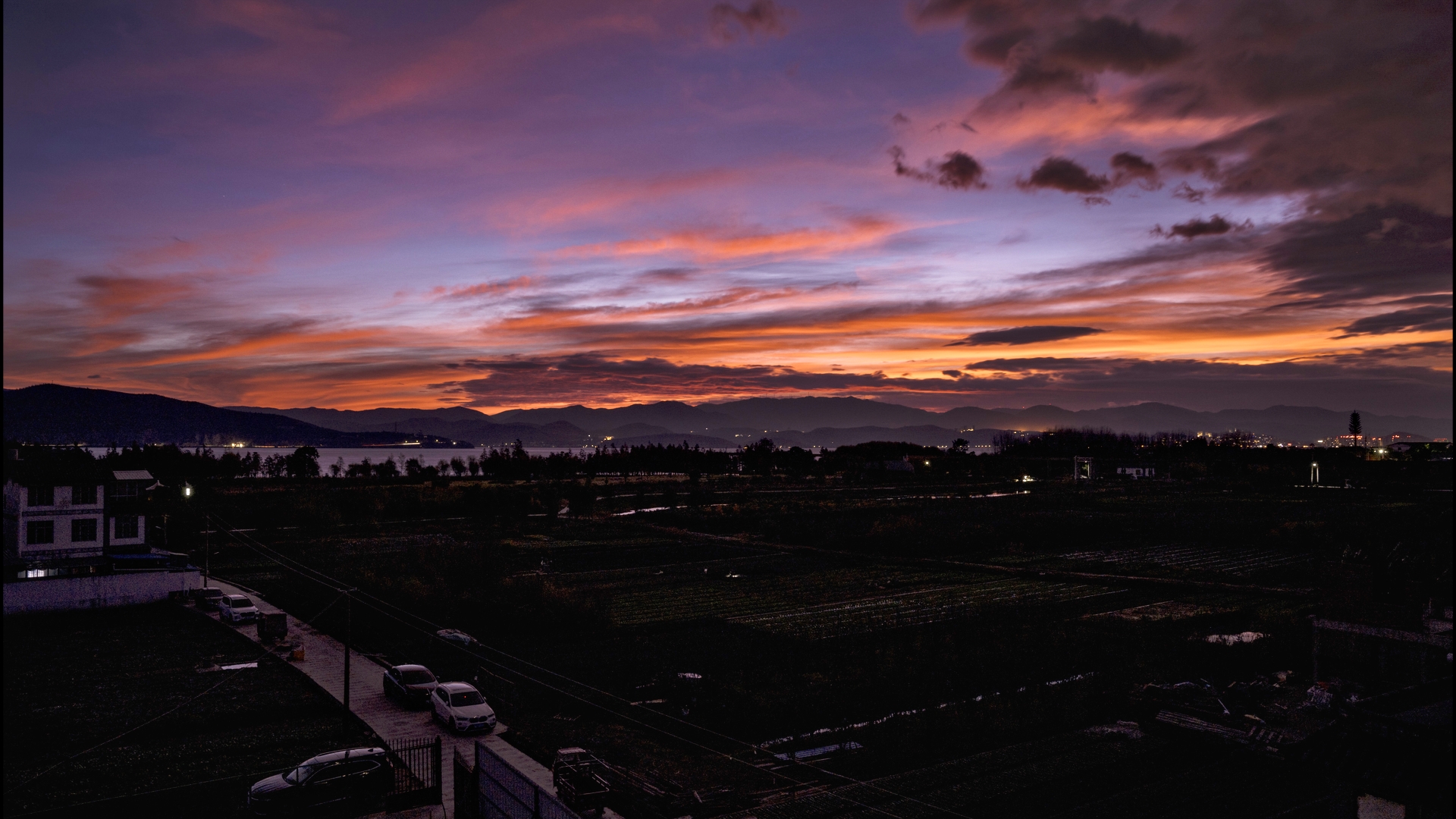

An ancient Bai folk play form, preserved in Yunlong county.

A history trading post on the upper reaches of the Yangzi.
Jim Goodman: Children of the Jade Dragon: the Naxi of Lijiang and their mountain neighbours the Yi
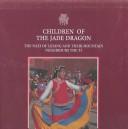
In the first half of the 1990s Lijiang had barely made its appearance on the Chinese tourism stage, even less so the then remote mountains of Ningland and Lugu Lake. Jim Goodman's account of the Naxi and the Yi draws back to a time where not everything was staged for mass tourism: an account of a lost world.
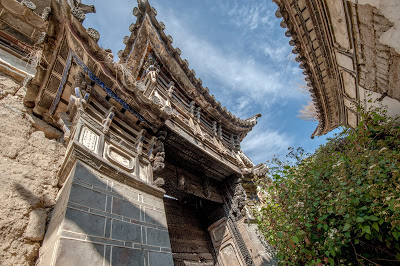
A well-preserved Bai merchant town with perhaps the best examples of Bai traditional architecture.

An unspoilt Tibetan area along the Zhibaluo River.
Upcoming Festivals
| Name | Date |
|---|---|
| Opening of the Fishing Season | 28 Oct |
| Guanyin Enlightenment | 28 Oct |
| Dharmic Assembly | 31 Oct |
| Benzhu Worship | 31 Oct |
| Pupeng Zhejume Pilgrimage | 31 Oct |
| Benzhu Worship | 01 Nov |
| Open Door Festival | 01 Nov |
| Anniversary of Yangbi County Foundation | 01 Nov |
| Benzhu Festival | 01 Nov |
| Temple Fair | 01 Nov |
| Dongshan Tuzhu Temple Fair | 02 Nov |
| Jingpo New Rice | 04 Nov |
Markets this Wednesday
| Dali | 大理 |
|---|---|
| Shunbi | 順濞 |
| Shaba | 沙坝 |
| Zuòyì | 作邑 |
| Huangping | 黄平镇 |
| Zhongying | 种英 |
| Zhongjiang | 中江 |
| Shanglan | 上兰 |
| Zhouguanying | 周官营 |
| Dacang | 大仓镇 |
| Shalong | 沙龙镇 |
| Shundang | 顺荡 |
| Hongyan | 红岩镇 |
| Miaojie | 庙街镇 |
| 龙洞村 | |
| Shangcang | 上沧 |
| 三胜 | |
| Xiazhuang | 下庄镇 |
| 龙街 | |
| Sanhe | 三鹤 |
| Gongguoqiao | 功果桥镇 |
| Hedian | 禾甸镇 |
| Jindunjiecun | 金墩街村 |
| Caifeng | 财丰 |
| Houshancun | 后山村 |
| Honghe | 红河 |
|---|---|
| Zhicun | 芷村镇 |
| Shengcun | 生村 |
| Baxin | 坝心镇 |
| Shuiguachong | 水瓜冲 |
| Baiyun | 白云乡 |
| Shaochong | 哨冲镇 |
| Mengping | 勐坪 |
| Yongning | 永宁乡 |
| Niujie | 牛街镇 |
| Tutai | 土台 |
| Hongtian | 红田 |
| Wenshan | 文山 |
|---|---|
| Lida | 里达镇 |
| Shuanglongying | 双龙营乡 |
| Zhujie | 朱街镇 |
| Mugan | 木杆 |
| Zhulin | 珠琳镇 |
| Baoshan | 保山市 |
|---|---|
| Manglong | 芒龙 |
| Lincang | 临沧 |
|---|---|
| Cangyuan | 沧源佤族自治县 |
| Quannei | 圈内 |
| Shuangjiang | 双江拉祜族佤族布朗族傣族自治县 |
| Zhenkang | 镇康县 |
| Junsai | 军赛乡 |
| Puer | 普洱 |
|---|---|
| Jiangcheng | 江城哈尼族彝族自治县 |
| Qushui | 曲水乡 |
| Fuyan | 富岩 |
| Mengxian | 勐先镇 |